2 hr 30 min
Tofino Black Bear Watching Boat Expedition
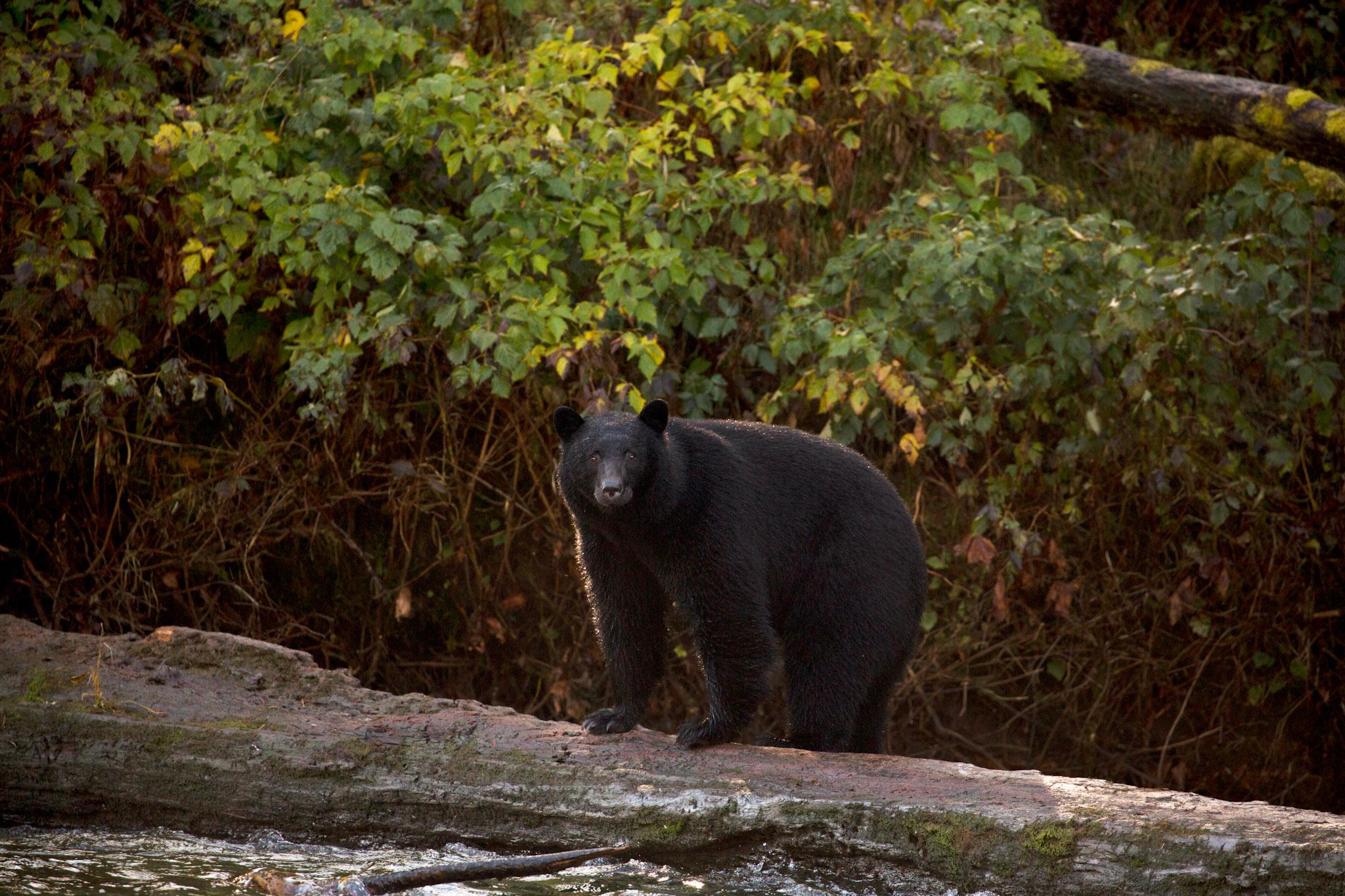
Track wild black bears foraging along remote shorelines in Clayoquot Sound's pristine wilderness
Reserve
Hand-picked by our editors — only the best 5 expeditions from 14 reviewed.
Verified partners for every tour, free cancellation where available, and instant confirmation on every booking.
2 hr 30 min
Track wild black bears foraging along remote shorelines in Clayoquot Sound's pristine wilderness
Reserve
4 hr 30 min
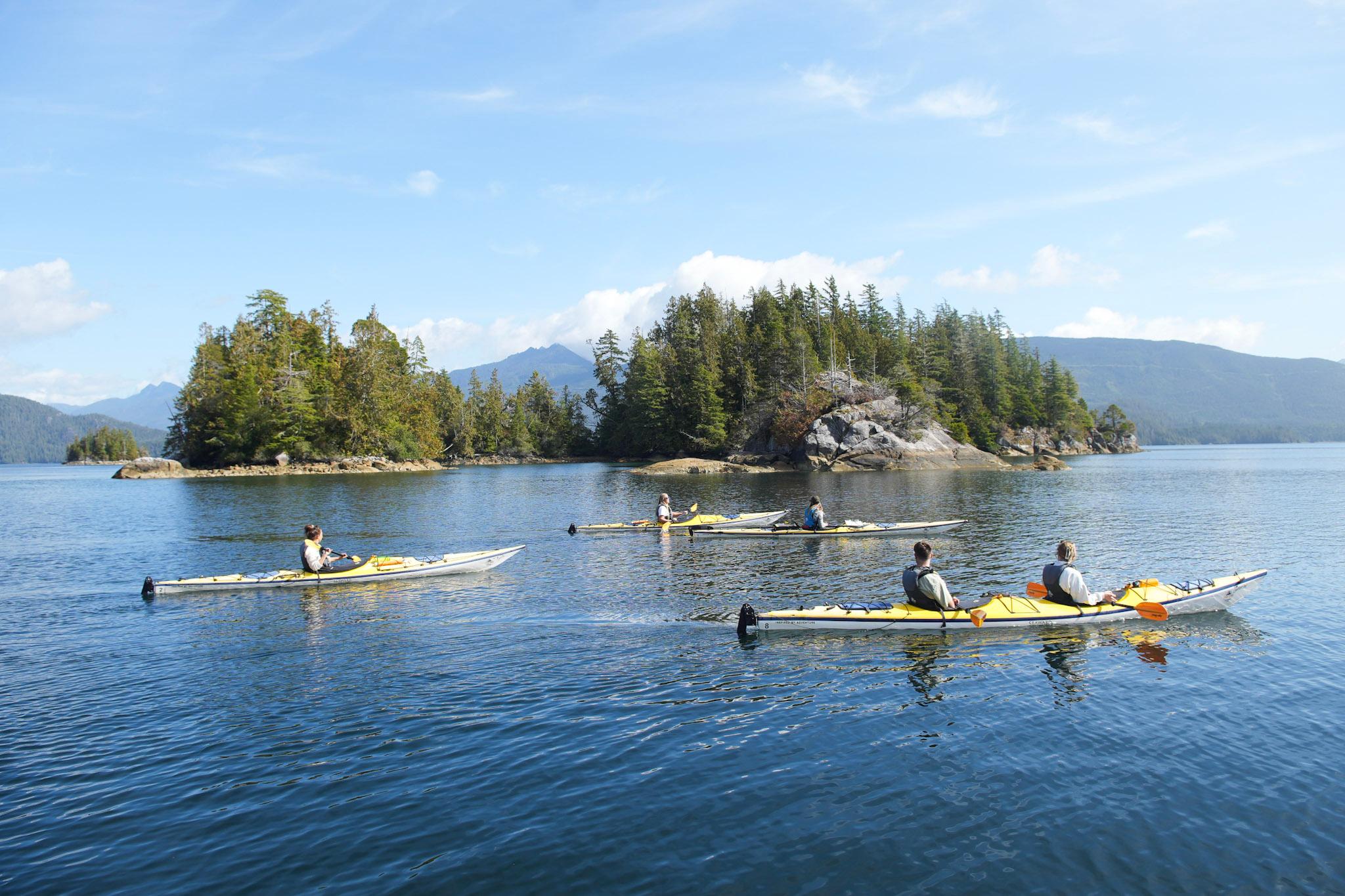
Paddle through a UNESCO Biosphere Reserve after a scenic boat ride, spotting seals, eagles, and orcas.
Reserve
3 hr
Three-hour expedition through a UNESCO Biosphere Reserve aboard a nimble rigid-hull boat
ReservePrices from verified partners. Availability updates in real time at checkout. Free cancellation policies apply where shown.
The landmarks, rooms, and views travelers on this tour remember — all visible on a single visit.
Explore the calm, protected inlets and ancient rainforests that provide an ideal habitat for black bears.
They complement each other; most visitors who do both call the motorized boat the more efficient choice, whereas a tofino bear watching kayak tour offers a deeper, silent connection with the Clayoquot Sound ecosystem.
| Feature | Top pick Kayak Expedition | Motorized Boat Tour |
|---|---|---|
Stealth and wildlife disturbance |
High stealth; minimal disturbance | Low stealth; engine noise present |
Physical effort required |
High; constant paddling required | None; passenger seating only |
Range of travel |
Limited; localized shoreline exploration | Extensive; covers deeper inlets and islands |
Photography stability |
Low; unstable platform | High; stable deck for telephoto lenses |
Comfort level |
Low; exposed to elements | High; indoor/outdoor seating options |
Duration |
3–4 hours | 2–3 hours |
| See tickets → |
Verdict: Choose a tofino bear watching kayak if you prioritize immersion, or opt for boat-based tofino bear watching kayak tickets if you prefer rapid transit and superior equipment support for capturing wildlife photos.
Choose your ticket, select your date, and reserve in under two minutes. Secure checkout handled by our verified partner.
Instant confirmation by email, with a mobile voucher you can save offline. No printing, no queuing at a collection desk.
Arrive at the entrance, show your voucher on your phone, and walk in. Most tickets include priority or skip-the-line access.
Practical details for your visit straight from our verified partners — hours, access, rules, and how to get there.
Tofino, BC
Main departure point for most boat and kayak operators.
Parking is available in the downtown core; pay parking is in effect May through October.
Dress in warm layers, even on sunny days, as temperatures can be cool on the water. Sturdy, closed-toe footwear is required for safety.
Space on vessels is limited, so please travel light. Large bags may need to be stored at the operator's office.
Photography is encouraged, but ensure you have a waterproof case or bag for your camera equipment to protect it from ocean spray.
Tours often involve boarding smaller vessels; please inform the operator of any mobility limitations at the time of booking. Some kayak experiences require moderate physical exertion.
Mobile phones are permitted for photos but should be kept in a waterproof bag. Cell service may be spotty in remote inlets of Clayoquot Sound.
Many tofino bear watching kayak tours are family-friendly, though minimum age requirements may apply depending on the specific expedition. Infants are sometimes permitted; contact the provider to discuss details.
Avoid bringing food or strong-scented items on board to minimize disturbances to local wildlife. Bringing a reusable water bottle is recommended.
Pets are strictly prohibited on all wildlife-viewing boat and kayak expeditions to ensure animal safety.
A conservation fee of 0 CAD applies to general harbour access, though specific expedition fees apply per person. Please arrive 30 minutes before your departure to sign waivers and receive safety briefings.
Best time to go, insider tips, nearby landmarks, and the cancellation fine print — flip through to skim what matters to you.
How crowds, weather, and events shift across the year.
May and June offer sightings of mothers with cubs and lively foraging activity during low tides.
July and August provide the most stable weather and warm temperatures for comfortable paddling.
September and October allow for viewing bears preparing for winter in the rich coastal intertidal zones.
Small details that turn a good visit into a great one.
Secure your tofino bear watching kayak tickets early, especially during peak summer months.
Tours are tide-dependent; ensure your tofino bear watching kayak tour time aligns with low tide.
West Coast weather is unpredictable; wearing layers will keep you comfortable on the water.
Keep your camera and phone in a waterproof bag to protect against ocean spray.
Maintain a respectful distance to ensure the bears can feed naturally without disturbance.
Non-bookable sights within a short walk — free to visit, easy to pair.
Home to the famous Big Tree Trail featuring ancient cedar forests.
Flexible, no hidden fees.
Public tours generally require 48 hours' notice for a full refund. No refunds are provided for cancellations made within 48 hours or for no-shows.
Hand-picked options within walking distance — pick a district for vibe, or a specific hotel for convenience.
Waterfront accommodation with easy access to adventure tour departures.
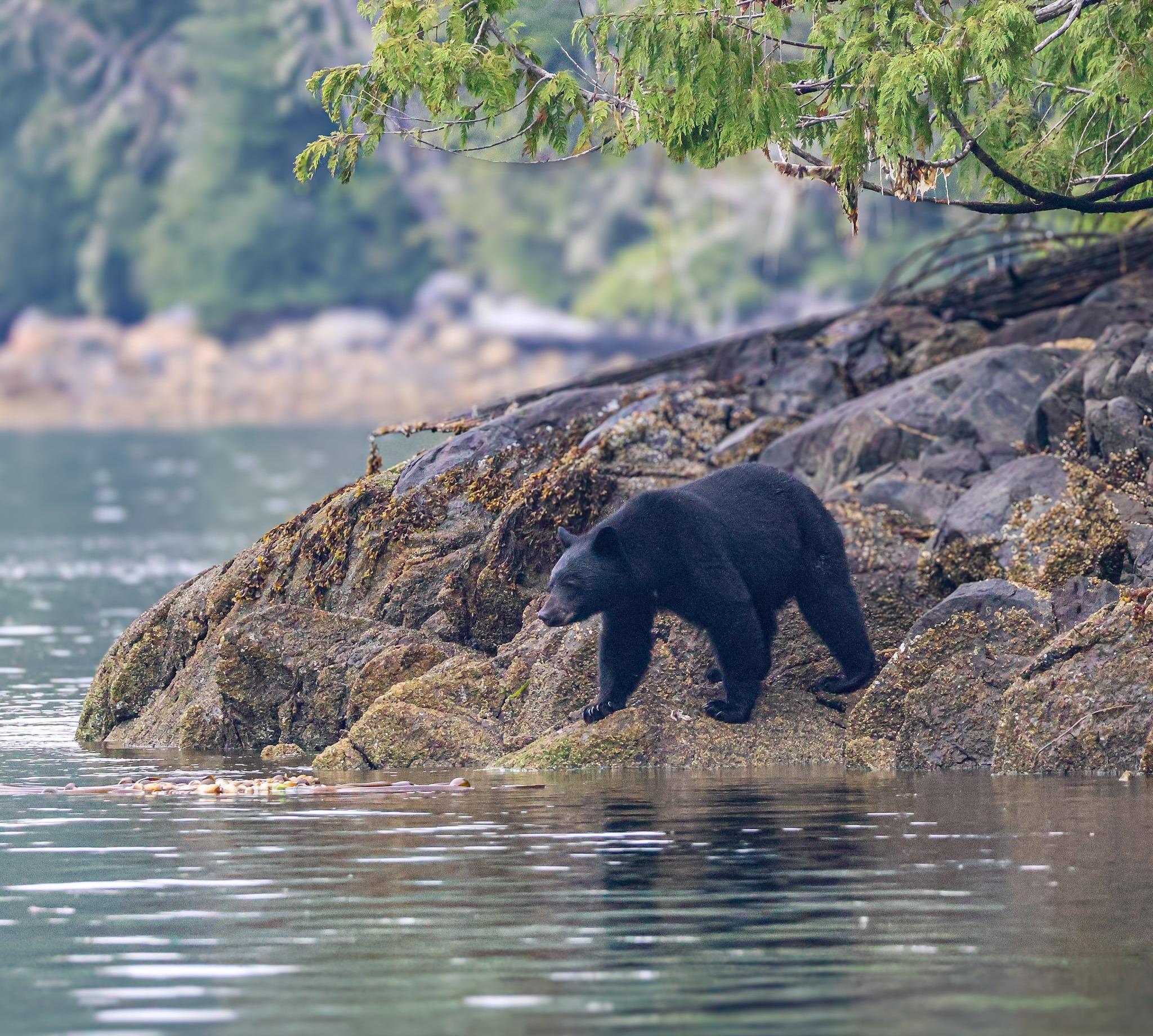
Black bears emerge on the tidal flats of Clayoquot Sound between April and October, foraging for crabs, barnacles, and sedge grass in a narrow window dictated by the Pacific tide tables. The rhythm is ancient: bears descend from the temperate rainforest canopy to the intertidal zone during low tide, turning over rocks and digging into the sand for protein-rich invertebrates before the water returns. This coastal foraging behaviour, documented by wildlife biologists since the 1970s, is a seasonal adaptation unique to British Columbia's outer coast, where the confluence of old-growth forest and open ocean creates one of the planet's highest densities of black bear habitat. Tofino Harbour serves as the departure point for boat and kayak expeditions into the sound's estuaries and kelp forests. Operators launch from the public docks along Campbell Street, navigating through the sheltered waters of Browning Passage and into the archipelago's smaller inlets where bears are most active. The United Nations designated Clayoquot Sound a UNESCO Biosphere Reserve in 2000, recognizing the region's 350,000 hectares of unbroken temperate rainforest and its importance to Nuu-chah-nulth First Nations, whose territories span the sound's entire watershed. Today, guided wildlife viewing follows protocols developed in partnership with the Tla-o-qui-aht and Ahousaht Nations, maintaining minimum distance guidelines and tide-dependent schedules that prioritize bear behaviour over visitor convenience. The best sightings occur two hours before and after low tide, when exposed shorelines reveal mudflats and tide pools rich in marine invertebrates. Guides monitor tide charts daily, adjusting departure times to align expeditions with peak foraging activity. Bears are solitary and move methodically, spending fifteen to thirty minutes in a single area before retreating into the forest. The Clayoquot bear population is estimated at one bear per square kilometre, among the highest densities in North America, supported by abundant salmon runs in autumn and year-round access to intertidal food sources. Tour operators use the sound's natural geography—narrow channels, rocky points, and protected bays—to position boats and kayaks at safe observation distances, typically fifty to one hundred metres from active bears. The experience depends entirely on tide, weather, and animal movement; no sighting is guaranteed, and expeditions are often rescheduled or rerouted based on real-time conditions reported by radio between vessels.
"Bears descend from the temperate rainforest to the intertidal zone during low tide, turning over rocks for protein-rich invertebrates before the water returns."
A step-by-step walkthrough of the visit — what you'll see, how long each stage takes, and the details that matter.
You meet your guide at Tofino Harbour at dawn, stepping aboard a rigid-hull inflatable or boarding a stable sea kayak depending on your chosen expedition. The boat pushes through calm water, past the First Street Dock and into Browning Passage, where the forested shoreline of Meares Island rises steeply from the waterline. Your guide cuts the engine as you approach a rocky point, scanning the exposed mudflats with binoculars. A black bear appears at the tree line, moving slowly onto the beach to forage among the kelp and barnacle-covered boulders. You drift in silence, the boat repositioned by gentle paddle strokes to maintain distance as the bear turns rocks and digs into the sand. The animal works methodically, pausing occasionally to scan the water before returning to its search. Gulls circle overhead, waiting for scraps. After twenty minutes the bear retreats into the forest, and your guide restarts the engine, navigating deeper into the sound toward a second estuary. The landscape shifts: narrow channels lined with Sitka spruce, tidal currents visible in the water's surface, and the distant peaks of Flores Island on the horizon. You return to the harbour mid-morning, the water now busy with fishing boats and floatplanes.
Bears are best viewed during low tide when they forage on the shore; tours are scheduled daily to match these times.
No prior experience is necessary, as guided tours provide full instruction and safety briefings.
Yes, many tours are suitable for all ages, though it is best to check specific age requirements with your operator.
Public trips typically require 48 hours' notice for a full refund.
It is highly recommended to join a professional guided tour to ensure safety and respect for local wildlife.
Dress in warm, waterproof layers and wear sturdy, closed-toe shoes.
No, these tours are seasonal and typically run from April to October.
Please contact us for more information.